Yuval Passov
Managing 24 AI Agents Like 24 Employees: The Workiz CEO Playbook
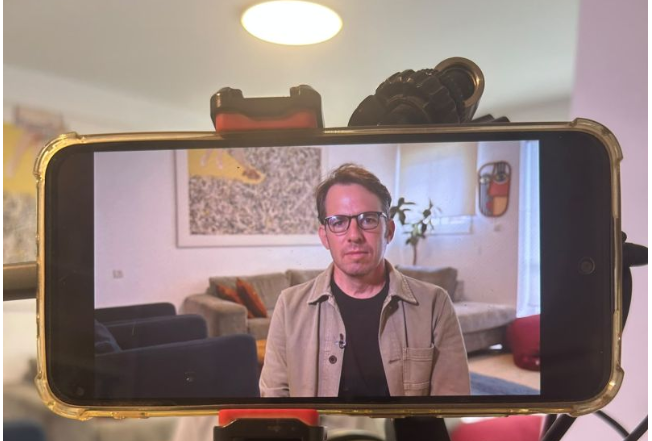
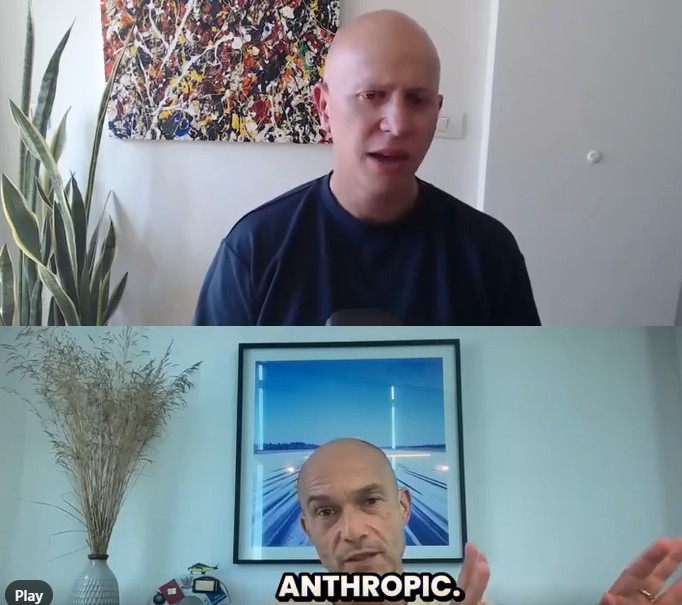
Yuval Passov interviewed Didi Azaria, Sisense co-founder and Workiz CEO, on how he manages 24 AI agents around the clock and when he deliberately switches AI off.
In-depth content from our leading speakers

Yuval Passov
Yuval Passov interviewed Didi Azaria, Sisense co-founder and Workiz CEO, on how he manages 24 AI agents around the clock and when he deliberately switches AI off.

Ben Rotenberg
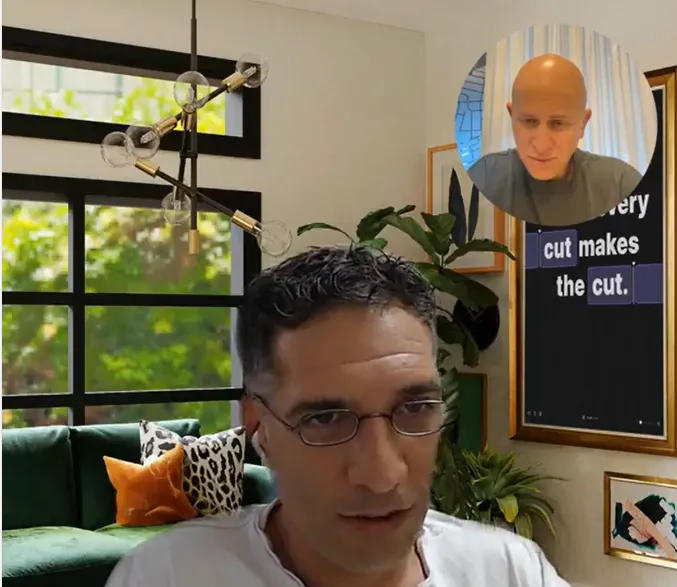
Ben Rotenberg, a Gen AI consultant who has worked with over 80 organizations, shared what his client meetings look like in August, kids in the background included. Why this kind of transparency actually strengthens business trust in the AI era.

Amir Shneider
Amir Shneider, CMO and a leading voice in agentic marketing in Israel, built a full marketing department of 11 AI agents with Grokbot. What worked, what got expensive, and why he sees this as the start of a new way of working with agents.

Maya Elav Nachshon
Maya Elav Nachshon, an AI artist and visual storyteller, visited the SUPRA Cables factory in Sweden and discovered that she and her host were photographing the same place while seeing entirely different things. Her post raises a question relevant to any organization: what actually determines what we see.

Ilan Bouni
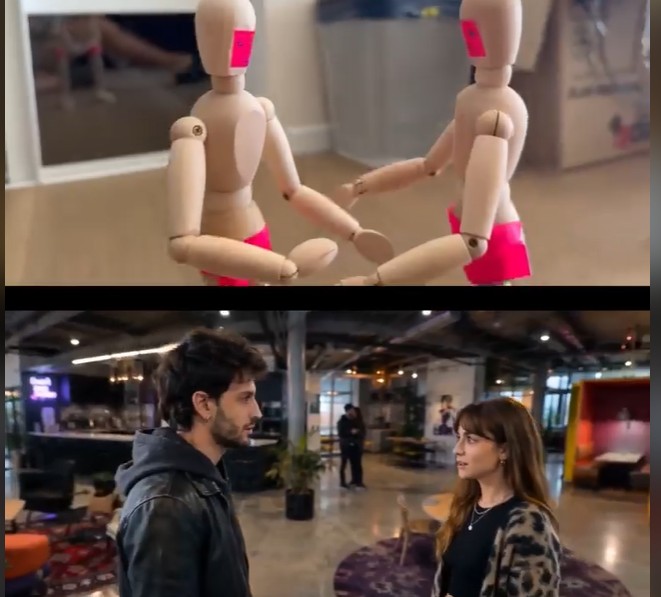
Ilan Bouni, a VFX supervisor and AI director, shared casting and direction tests for a short film intended to become a feature. Why the testing stage is the most important moment in an AI driven production.

Amir Shneider
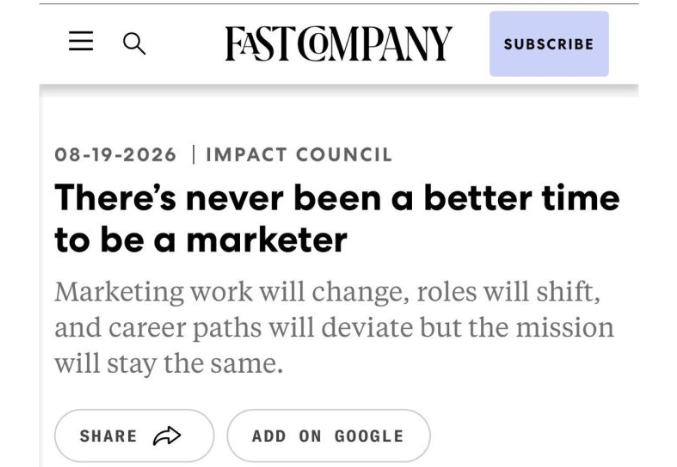
Amir Shneider has argued since 2022 that this is the best time to be a marketing leader, and a Fast Company opinion column backs him up. Why AI tools are a force multiplier, and what remains the core skill of marketers.

Omri Marcus
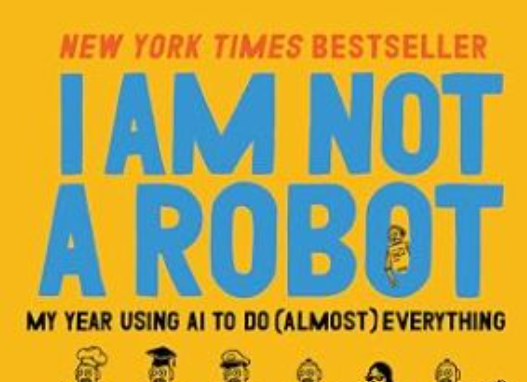
Omri Marcus describes how consulting AI has become a daily reflex, and explains why dramatic year long AI immersion experiments miss the deeper effect on how we decide and create.

Boaz Ziniman
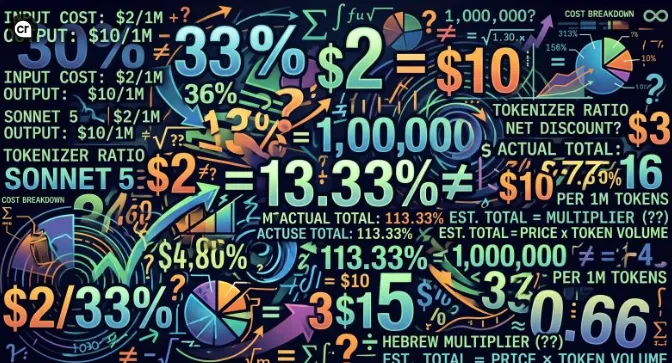
A 33 percent drop in price per token does not necessarily translate into a 33 percent drop in your bill. Boaz Ziniman explains how a tokenizer change reshapes the economics, and why Hebrew users should pay particular attention.

Amir Shneider
Amir Shneider describes a trend that threatens the subscription model. When building a digital tool takes an hour, a product that fills a single function stops justifying a monthly fee. What this means for software companies and marketing leaders.

Omri Marcus
Omri Marcus explains that the slide comparing deep research features across language models keeps changing, and describes how he builds that comparison from creator communities, technical forums and hands on experience.

Yuval Passov
Praneet Dutta built models at Google DeepMind and now leads a startup building AI agents. The question he asks before building anything determines whether the next model release strengthens his product or erases it.

Reut Shechetr
Three things said at three different hours, with no apparent connection between them. Why thought fragments die inside a notebook, and the difference between storing them and connecting them.

Reut Shechetr
Your time does not run out, it crumbles. Why one twenty minute window is worth more than four five minute fragments, and what the research says about the attention residue left behind.

Reut Shechetr
Eleven at night, the house is finally quiet, and the decision to go to sleep never arrives. The phenomenon has a name, a body of research behind it, and a cause that has nothing to do with self discipline.

Efrat Yamin
Efrat Yamin ran the same creative brief through Gemini and ChatGPT to test which model maintains character consistency across a full series. The difference, she says, was impossible to ignore.

Rodrigo Gonzales
Rodrigo Gonzales describes a closed loop in which AI generates content, search engines index it, and AI reads it to produce the next answer. The question he raises is what happens to the value of human content inside an ocean of synthetic information.

Omri Marcus
Omri Marcus appeared on Israel's public broadcaster KAN to discuss Spotify's decision to label profiles created by artificial intelligence. The label is a small interface change, but it signals a shift in the attention economy of the content industry.

Ilan Bouni
Ilan Bouni created a cinematic chase sequence using two toy cars, a coffee cup and a teaspoon. The result is a precise demonstration of how AI is shifting the cost and time boundaries of commercial video production.

Ella Uzen
Ella Uzan shares what never appears in the final cut of her latest film for the National Library. Before producing any shots, she built a full photographic character sheet for each character, and that is what kept visual identity stable across the entire film.

Efrat Yamin
Efrat Yamin reports that Seedance 2.5 is now available at half price on Figma Weave, and explains why it matters. A price drop in a generative video tool translates directly into the number of iterations a team can afford before locking an idea.

Yuval Passov
Yuval Passov contrasts two opposing models of founder housing. In San Francisco entry is measured in capital raised, in East London it is measured by a hobby and basic fitness. The comparison raises a real business question about what actually produces output in people building companies.

Omri Marcus
Omri Marcus reports on a time-limited free access window to a new Google model with a daily quota of ten generations. What it teaches about the right way to evaluate a new AI tool inside an organization.

Efrat Yamin
Efrat Yamin produced a complete illustrated guide built on research, testimonies and historical documents, with all visuals generated by AI. The project shows what a full content production workflow with generative tools looks like, and why human quality control remains part of the equation.

Amir Shneider
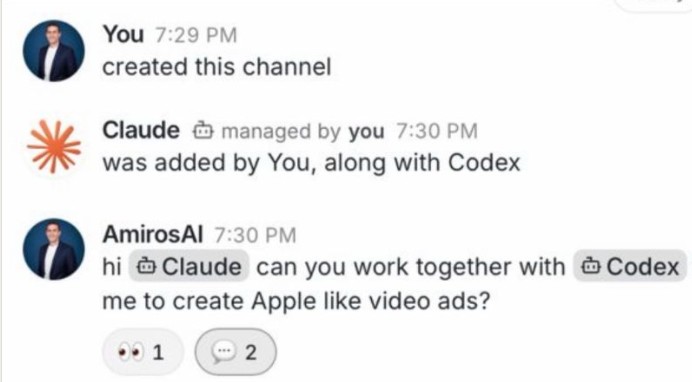
Amir Shneider examines BUZZ, Jack Dorsey's open source platform for two way conversation with AI agents in one interface. He put Claude and Codex into a single channel and asked each for what it does best.

Efrat Yamin
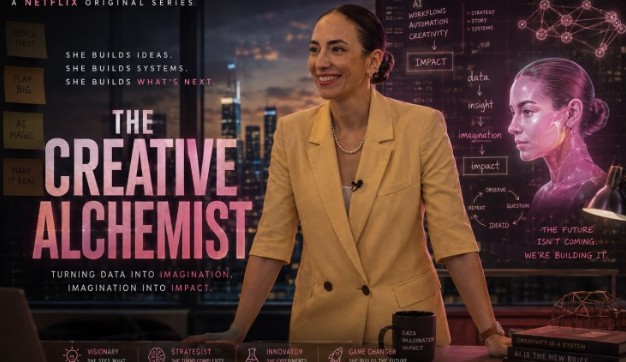
Efrat Yamin started with one photo and a prompt from Yishay Raziel, and ended with four Netflix series that do not exist. The exercise shows how one small idea generates a character, a world and a full story.

Ella Uzen
Ella Uzan tested Seedance 2.5 with a single prompt demanding the hardest thing from a model, a continuous shot where time freezes mid air while the camera keeps moving between the droplets. Her method teaches more than the result.

Shahar Varshal
While the industry focuses on Seedance 2.5, Shahar Varshal points to two other models delivering a real leap. He generated two videos from a single prompt each, showing a scene shot simultaneously from four different cameras.

Naomi Carmi
Naomi Karmi describes how her brother, a Base44 co-founder, turned personal research around their mother's illness into an investment fund seeking cancer-fighting startups. The post reveals a pattern in Israeli entrepreneurship where exit capital returns to the market through a personal thesis rather than random diversification.

Ben Rotenberg
Ben Rotenberg rebuilt his website in three days using AI, including a full migration and canonical tags, and explains why speed and SEO do not have to suffer. He is also launching a Forward Deployed Engineer service for organizational AI adoption.

Yuval Passov
Yuval Passov, a founder advisor and LinkedIn Top Voice, explains why the founders who succeed are not those who collect the most advice, but those who ask many questions, listen carefully, and then run their own playbook.

Omri Marcus
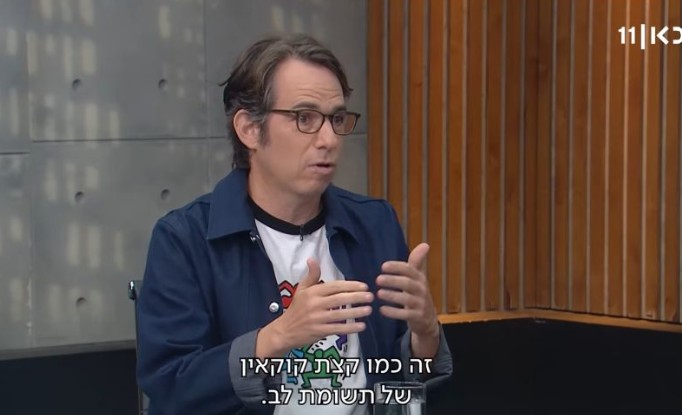
Omri Marcus, a creative strategist and a pioneer of Agentic AI in the writers' room, explains on Kan 11's culture show why AI has made creation itself cheap, and why the new skill is knowing how to choose what is truly worth our time.

Everything AI
A curated list of the leading women speaking on AI in Israel for 2026: researchers, artists, designers, marketers and entrepreneurs, organized by what they actually do. All present in English and are available for keynotes and workshops in Israel and abroad.

Everything AI
The technology-side AI speakers on the Everything AI roster: engineers, researchers, agent builders and innovation leaders who speak in English on deep tech, automation, ethics and the future of software.

Everything AI
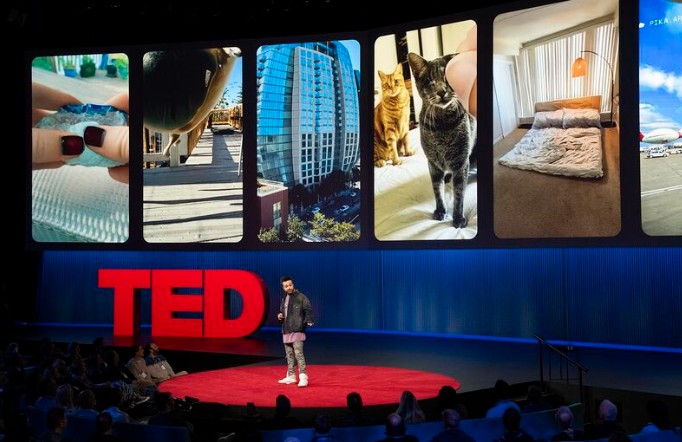
The speakers who actually make things with AI video: a founding creative director at Pika, award-winning documentary directors, art directors and sound designers. Available in English for conferences and workshops.

Everything AI
Art directors, designers, brand builders and AI artists who speak in English on generative design, Midjourney, visual language and what artificial intelligence is doing to creative work.

Everything AI
The speakers and workshop leaders who take organizations from AI curiosity to AI in production: implementation, automation, agents, adoption, governance and the human side of change.

Yuval Passov
Yuval Passov, LinkedIn Top Voice, hosted Praveen Akkiraju, Managing Director at Insight Partners and a former $2B company leader, on his podcast. The conversation covered how founders recognize a real idea, using AI to write code at scale, and when to build your own agent versus leaning on an existing platform.

Omri Marcus
Omri Marcus asked two different AI models who to vote for and got two opposite answers, both stated with total confidence. He explains why a machine that returns one name without showing its reasoning undermines the basis of a democratic choice.

Maya Elav Nachshon
Maya Elav Nachshon explains why knowing the features is not the same as mastery, and how a systematic method for reading outputs turns visual AI creation from random experimentation into a repeatable process.

Ilan Bouni
Ilan Bouni, an AI director and former VFX supervisor, presents a short fashion experiment called MANI SHIFT in which a pair of sneakers takes over the entire commercial, showing how precise art direction leads AI generated video.

Boaz Ziniman
Boaz Ziniman, a Developer Relations leader, describes a Claude Israel User Group meetup on model security and breaking, explaining how a living community advances professional knowledge on the ground.

Shahar Varshal
Shahar Varshal, a sound designer and voice cloning producer, creates an AI film in which every music legend gathers for a rendition of Hey Jude. The post shows how video models such as Kling and Seedance turn a nostalgic fantasy into a visual reality.

Ben Rotenberg
On a single day at home, Ben Rotenberg and his son turned a child's imagination into a working video game using AI tools for image and video creation. The small story illustrates a big claim about who can build a digital product today.

Ilan Bouni
Ilan Bouni published a short control test demonstrating a single principle: when you give AI staging, camera logic, rhythm and intention, it stops guessing and starts executing. That is the difference between random output and directed work.

Amir Shneider
Amir Shneider left Cato Networks' Summer Claw event with one recurring lesson from the teams building agent environments: the secure architecture gets built first, and the agent is placed inside it afterward. That is the reverse of the order most organizations choose.

Efrat Yamin
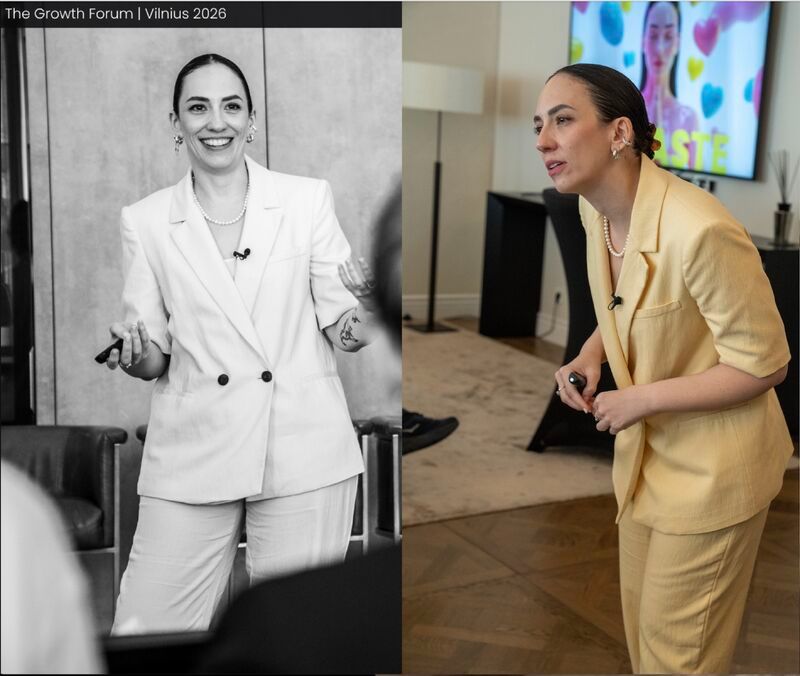
Efrat Yamin, a Creative-AI specialist and 18-year art director, presented at Growth Forum Vilnius an inverted view of data: not as a tool that validates ideas after the fact, but as the starting point of the creative concept itself.

Omri Marcus
In a talk at Holon Institute of Technology, Omri Marcus ran a live demonstration of how far AI-generated empathy can go. He asked a video generator to script a training clip for employees after a wave of layoffs, and the result exposed how hollow synthetic empathy can sound.

Mohamad El-esawi
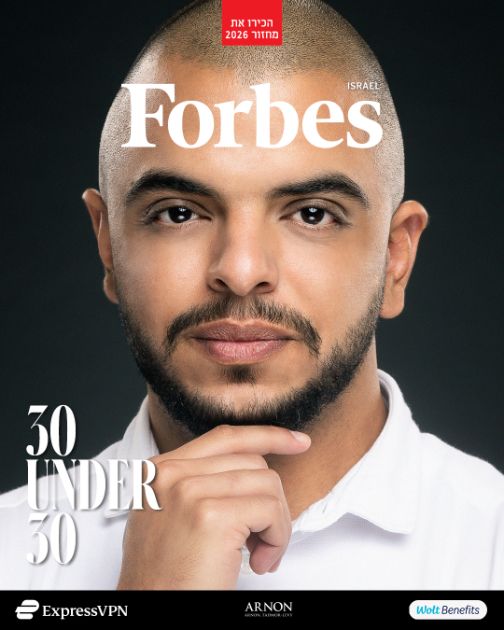
The creator of the AI Toolbox extension and founder of ArabAIClub was named to Forbes 30 Under 30. He describes the recognition as a milestone rather than a destination, tied to a journey of building AI products used by tens of thousands.

Yuval Passov
Yuval Passov, a leadership advisor for the AI era and a LinkedIn Top Voice, shared how he solved an everyday problem with a single sentence. He opened AI Studio, briefly described an app to help him survive summer break with his three kids, and within five minutes got a working app that even runs offline.

Doron Tsur
Doron Tsur, screenwriter and AI processes lead at Overwolf, explains how building a fixed workflow in Figma Weave turned a repetitive two-minute image conversion into a ten-second action, and why it changes the game for content creators.

Boaz Ziniman
The market of AI development tools is changing faster than teams can follow, making it hard to decide what to use and when. Boaz Ziniman explains that building the right development environment starts with understanding the role of each tool, rather than chasing every new release.

Rodrigo Gonzales
Rodrigo Gonzales argues that AI is making content creation easier than ever while making verification harder than ever. The ability to identify what is real, what has been manipulated and what can be trusted, he says, will become one of the most important industries of the coming decade.

Omri Marcus
Brands are beginning to use AI-generated influencers to produce recommendations that simulate authentic human connection. Speaking on Israel's "Kan Tarbut" culture show, Omri Marcus argued that authenticity is dead and that "organic" has become an illusion. Here is why it matters to any business marketing online today.

Rodrigo Gonzales
Rodrigo Gonzales argues that AI is making content creation easier than ever while making verification harder than ever. The ability to identify what is real, what has been manipulated and what can be trusted, he says, will become one of the most important industries of the coming decade.

Omri Marcus
Omri Marcus, researcher and lecturer in AI and learning, shared how he takes deep academic research — a doctorate, papers — and translates it into accessible visual content with AI. A live demonstration of a process most people do not know.

Efrat Yamin
Efrat Yamin, AI expert and international speaker, shared a glimpse of a talk she gave at the Growth Forum Vilnius. The talk demonstrated live how performance data becomes creative direction.

Ben Rotenberg
Ben Rotenberg describes a roundtable with CIOs that demonstrated: AI is no longer in the feasibility committee - it is in the work plan. The remaining question is not whether to adopt AI, but how to do it right.

Ben Rotenberg
Ben Rotenberg presents a new Stanford University study: over 90% of large employers screen candidates automatically, and a score you received at one company can follow you for up to 330 days. What you should know before sending your resume.

Amir Shneider
Amir Shneider analyzes Anthropic's decision to block global access to Claude 4, and the two troubling explanations behind it — political retaliation or genuine security risk.

Naomi Karmi
Naomi Karmi, a researcher of trends and technological impact, explains why the widely shared message about Meta AI reading all your group messages is wrong. She broke down the claims one by one after Reshet Bet radio interviewed her about it.

Matan Cohen Grumi
Matan Cohen Grumi, co-founder of Pika, explains how generative AI is reshaping video creation and why anyone can now produce breakthrough visual content.

Inbal Arieli
Inbal Arieli, founder of the Chutzpah Center and author of Chutzpah, explains how Israeli culture of non-compliance, experimentation, and fast failure becomes a global competitive advantage in an AI-driven world.

Dr. Elisha Rosensweig
Dr. Elisha Rosensweig, a computer science PhD, explains why AI coding agents require a new methodology rather than just new tools, and how R&D teams can leverage them without losing control of their codebase.

Maya Elav Nachshon
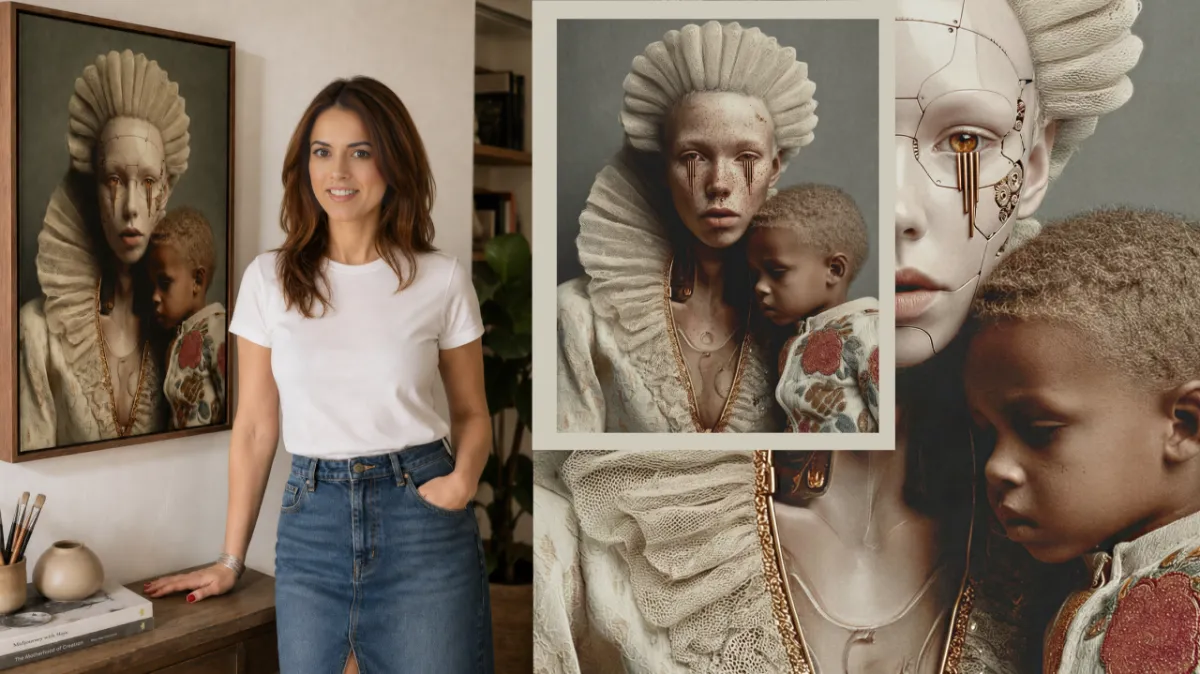
As generative AI reshapes creative workflows, Maya Elav Nachshon asks what remains of the creator's identity when the machine can statistically mimic her gaze. She proposes a methodology of creative motherhood in which sovereignty is measured not by who created the pixels, but by who controlled the process.

Amir Shneider
Amir Shneider runs a full AI agent team on a Mac Mini M4 that costs less than a smartphone. What sounded like fantasy a year ago is now the daily reality of a CMO managing multiple brands solo.

Ben Rotenberg
Ben Rotenberg discovered that Google's own Opal platform was running a deprecated model and received the message 'Please update your code' from Google itself. The joke conceals a serious lesson about AI lifecycle management in organizations.

Yuval Passov
Yuval Passov shares key insights from a conversation with VC Gigi Levy-Weiss: the AI revolution is more accessible than any that came before it, and leaders who feel behind may be closer to the train than they think.

Dr. Limor Ziv
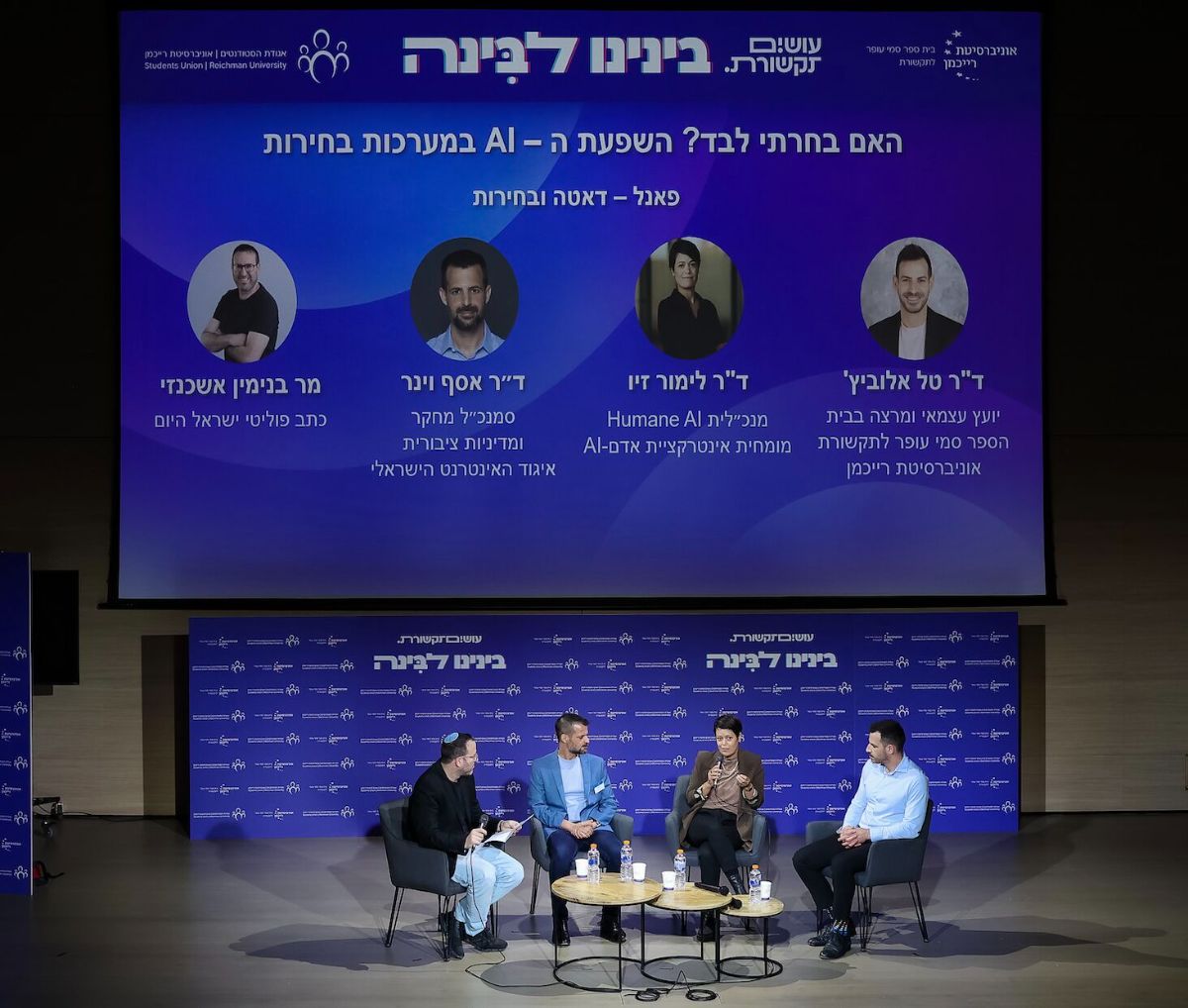
Dr. Limor Ziv, founder of Humane AI, analyzes the AI forces at play in upcoming elections: flooding and precision targeting operate simultaneously, both exploiting the same moment of human vulnerability.

Ben Rotenberg
Gen AI expert Ben Rotenberg discovered that one AI tool accomplished in a short time what web developers claimed was impossible, changing his understanding of what technical barriers actually mean.

Omri Marcus
Omri Marcus describes a shift that just happened: the distance between imagining an idea and making it real has collapsed. Three real cases, Popeyes, AB InBev, and HungerStation, show what happens when budget, time, and risk stop standing in the way.

Mohamad El-Esawi
Mohamad El-Esawi, developer of the ChatGPT Toolbox Chrome extension with 20,000 users, explains what he discovered when Google pulled his product, and why the crisis led to an upgrade that would never have happened otherwise.
Yuval Passov
Yuval Passov, Global Founder Advocate and LinkedIn Top Voice, breaks down what makes busy people say yes. Three clear principles that change the outcome of any outreach: specificity, reducing friction, and genuine follow-through.

Maya Elav Nachshon
Maya Elav Nachshon, multidisciplinary AI artist and Prompt Magazine curator, develops the Emulated Realms series exploring the shift from isolated portrait to the habitat that shapes it. Her work shows how AI becomes a tool for emotional discovery, not just visual creation.

Rodrigo Gonzales
Rodrigo Gonzales explains the shift from traditional advocacy to AIO, where the goal is not to persuade people but to influence the algorithmic layer that determines their reality.

Orit Litmanovitch Shiber
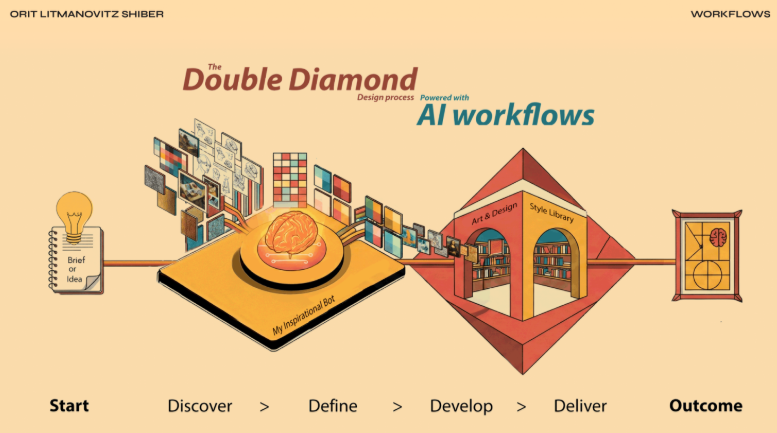
Orit Litmanovitz Shiber shares how she created an ad for the Institute for Democratic Resilience during wartime and under real pressure. The story reveals an unexpected insight: even with AI and a structured methodology, creatives can get stuck at the creation stage itself, and the core of strong creative work is the act of choosing, not producing.

Dr. Limor Ziv
A new study of over 200 VC funds and 80 LPs reveals that 73% of investors believe responsible AI companies will outperform financially. Yet only 14% rate their own AI risk assessment as good.

Efrat Yamin
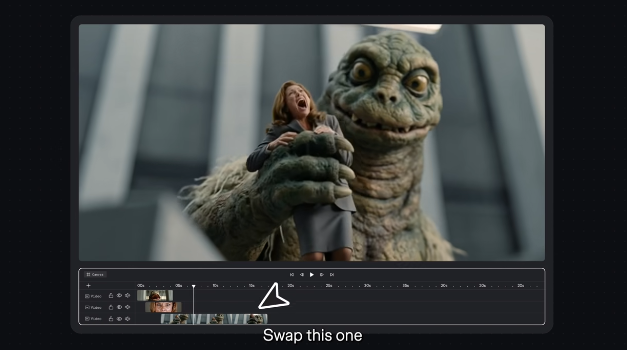
Figma Weave launched a Timeline feature that lets you build video rhythm directly inside the canvas. Efrat Yamin explains why this is a paradigm shift for creative and marketing professionals.

Ilan Bouni
Ilan Bouni took AI video tool Seedance 2 on a journey with The Little Prince, recreating a scene in papier mache and stop-frame style. The result is magical, but the question that remains is whether the human soul is still present.

Maya Elav Nachshon
In the digital art world, platforms multiply that sell not real visibility but the possibility of imagining it. Why is it so hard to tell apart a platform that genuinely wants to meet your work from a machine that monetizes the desire to be seen?

Ben Rotenberg
Everyone works with ChatGPT, Claude, and Gemini, but the Transformer architecture behind them is approaching its limits. Ben Rotenberg explains two new architectures challenging it and why we are on the verge of a shift from LLMs to Large Reasoning Models.

Ben Rotenberg
Wikipedia published a comprehensive guide to detecting AI-generated content, listing 9 characteristic patterns. Ben Rotenberg presents the list and adds perspective: writing with AI is not a problem in itself, but it requires a skill most people have not yet developed.

Yuval Passov
Yuval Passov, an AI expert and startup mentor, has taken on a new role as Global Founder Advocate at Google. Here is what this role means for the startup ecosystem and how founders can make the most of it.

Omri Marcus
Omri Marcus, a pioneer of AI in the writers' room, transformed a humorous text by Simpsons writer Mike Reiss into a comic strip using AI. This small project points to a major shift in how creative content is produced and repurposed.

Ben Rotenberg
Ben Rotenberg, a consultant who observes organizations from the outside, shares the patterns that block career advancement. Not "do brilliant work" but a practical approach to healthy organizational influence.

Ben Rotenberg
Ben Rotenberg, who trains thousands of workers in AI, introduces a concept worth knowing: "cognitive debt." Letting AI write, think, and decide for you accumulates a debt that will catch up when you face a truly complex challenge.
Dr. Elisha Rosensweig
Dr. Elisha Rosensweig analyzes the coming rise in LLM token prices and makes a counterintuitive case: when AI becomes genuinely expensive, organizations will need junior developers again.

Amir Shneider
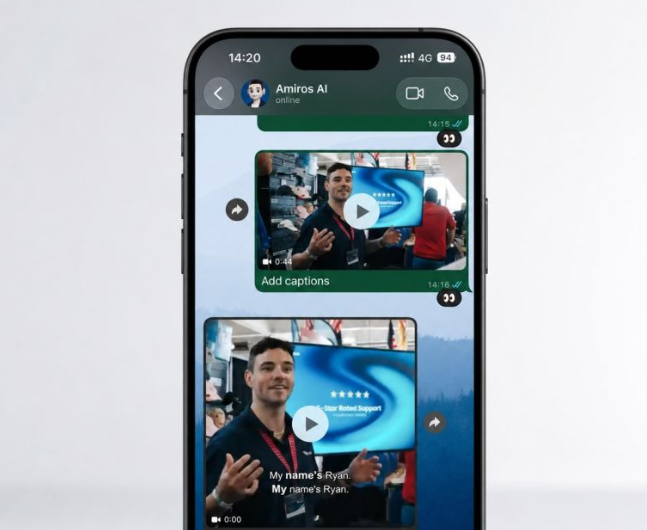
Amir Shneider, CMO at Skywatch and Toffu AI, sent one prompt to a WhatsApp AI agent and received a complete timeline video comparing Anthropic and OpenAI revenues. No video editor, no After Effects, no render costs.

Efrat Yamin
Efrat Yamin, Creative-AI Solutions Specialist and Art Director with 18 years of experience, finds that building a character in MidJourney became a question of rules and structure rather than technique. As tools grow more powerful, conceptual thinking becomes more essential.

Omri Marcus
Omri Marcus, founder of The Comedy Brigade, explains why AI is the electronic catfish of the modern content industry. He outlines four strategic roles for AI that every creator needs to adopt today.

Ziv Meiri
The design bottleneck was never inevitable — it was structural. Ziv Meiri explains how a single skill file turned every team member into a brand-aligned visual creator without routing requests through a designer.

Efrat Yamin
Efrat Yamin, a creative AI specialist with 18 years as an Art Director, tested MidJourney v8 and found genuine qualitative change - not just a technical upgrade. But some limitations remain.

Orit Litmanovitz Shiber
Orit Litmanovitz Shiber, GenAI specialist and lecturer, marks 12 months of a women-led GenAI magazine. In an era where women are still a minority at the AI frontier, they're choosing to change the picture - every month.

Omri Marcus
Creative strategist Omri Marcus diagnoses why large language models fundamentally fail at comedy — not due to lack of sophistication, but because they are too mentally healthy. A must-read for anyone working at the intersection of AI and creative content, including the emerging "Shadow Drafting" trend reshaping Hollywood studios.

Doron Tsur
The creator of "M.K. 22" and "Shabas" shares how he now works alone with AI without a full production crew. This shift isn't just technological - it's remapping the entire creative industry.

Mohamad El-esawi
A Landy AI user built a landing page in two hours that converted at 15% and generated 870 signups in 48 hours. Mohamad El-esawi, the platform's creator, explains why copy beats design every time.

Maya Elav Nachshon
AVGD Gallery and international partners invite AI artists to submit work for an exhibition titled "TOO MUCH." Maya Elav Nachshon, AI artist and curator, shared the call - a window into a digital art field that is growing and institutionalizing.

Amir Shneider
Amir Shneider ran an experiment nobody had tried before - a WhatsApp group with 16 people and three live AI agents. What he discovered changes everything we thought about agent-to-agent communication.

Ilan Bouni
Ilan Bouni submitted a film to the Runway Big Ad Contest where enemy soldiers stop shooting and fight over a can of soda. It's not just creative advertising - it's a statement about what AI enables an AI director to do today.

Itay Gal
Itai Gal tried Seedance 2.0 and something shifted. The model didn't just generate animation - it preserved his style, his line, his voice. This isn't another AI demo. It's a story about a dream that waited 17 years.

Barak Rotem
Instead of chasing the perfect prompt, Barak Rotem decided to describe materials, texture, and structure. The result is an editorial series unlike any other - where faces and figures dissolve into lace as real material, not decoration.