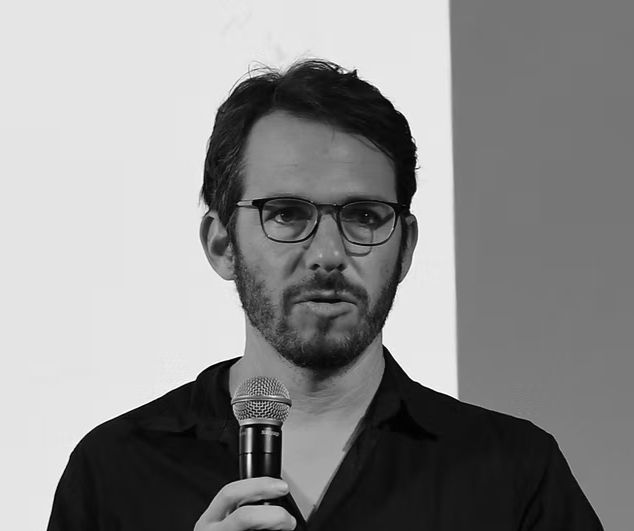
Omri Marcus, founder of The Comedy Brigade and a pioneer in AI-integrated writing rooms, presents a framework that challenges the prevailing perception of AI as a threat. According to Marcus, artificial intelligence is not the enemy of human creativity but the force that compels it to be more original.
What Does the Catfish Teach Us About the Content Industry?
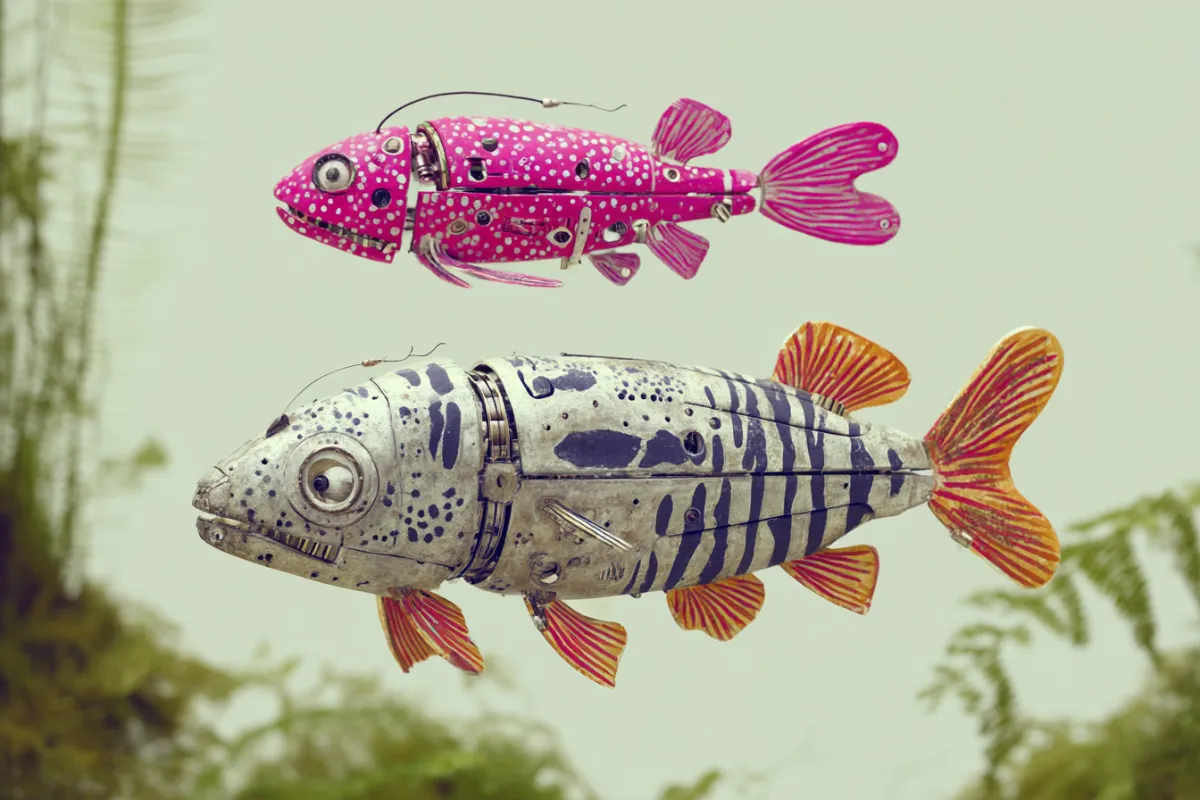
North Sea fishermen would place a catfish in sardine tanks to keep the catch alert and active. Without a predator in the environment, the sardines grew passive and lost their flavor. The content industry today finds itself in exactly this situation.
As production costs approach zero, the supply of mediocre content becomes infinite. AI is the electronic catfish that forces every creator to swim faster toward what is truly original, subversive, and human. A recently published Chinese study examining how local writers integrate AI into their workflows confirms this insight as universal.
Four Strategic Roles for AI in the Writers' Room
As an Actor, AI simulates characters in real time. Writers can converse directly with a character or place it on the "therapist's couch" to explore its deepest motivations before writing a single line. As an Audience, AI serves as a rapid and ruthless testing ground that provides feedback from the perspective of specific demographics, identifying weaknesses and boredom long before the script reaches a table read.
In the Expert role, AI acts as an uncompromising logic checker that identifies structural contradictions, analyzes pacing, and accelerates multidisciplinary workflows. As an Executor, it goes beyond text to visualize the emotional rhythm of scenes through tension curves and charts, allowing writers to literally see the flow of a scene and assess whether it works.
Where Is the Line Between Machine and Humanity?
Marcus makes one point with clarity: AI can simulate characters and predict audiences, but it cannot replicate the authentic, messy, and flawed human experience that drives the heart of a narrative. The moment the machine learns to simulate our weirdness and uniqueness, it becomes the new average.
His conclusion is direct: writers not collaborating with AI today are simply working slower and producing inferior results. The transition from sole creator to curator dancing with the machine is not optional. It is the new reality of narrative design.