Why the Seedance 2.5 Hype Misses the Interesting Story
Shahar Varshal describes the large wave of hype around the new Seedance 2.5 video model, and immediately qualifies it. His own excitement is directed at other models that have launched or are about to.
The distinction deserves attention. In a market where every release draws the same volume of noise, close observers notice that the technological leap is not always in the model everyone is discussing.
What Stands Out in MINIMAX H3 and FLUX 3
The two names Varshal highlights are MINIMAX H3, whose capabilities he plans to demonstrate shortly, and FLUX 3, which he says excels specifically at realism.
Realism is the hardest parameter to fake. It rests on consistent physics, lighting that behaves correctly and motion that does not betray its origin, so a model that succeeds there marks progress difficult to imitate in post.
What He Actually Produced and Why It Is Technically Notable
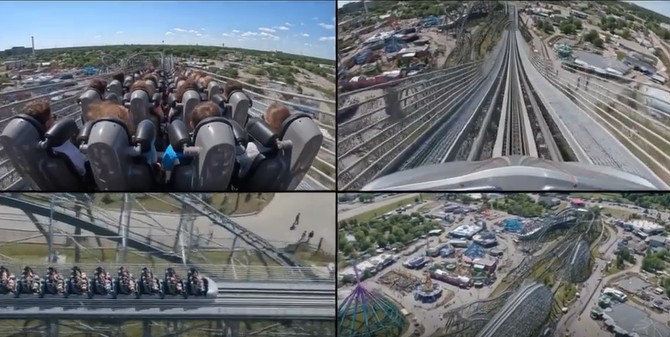
Varshal generated two videos, each from a single prompt and a single generation, with no reference images. The content: scenes captured simultaneously from four different cameras.
This is not only an aesthetic exercise. Multi-camera coverage requires the model to preserve the same character, the same lighting and the same sequence of events across four viewpoints in parallel. Until recently that was precisely the line separating a technology demo from a working tool.
What This Says About the Pace of Progress
Varshal concludes that this is something one could only dream about a few months ago. That is the real reference point of the post.
For organizations planning content production, the takeaway is practical. Assumptions about what is impossible in generative video expire within a quarter, so ideas previously rejected over a technical limitation are worth revisiting.