What Actually Changed
When someone who spent 18 years as an Art Director and now specializes in creative AI tools says something "feels like a real shift, not just an upgrade" - it's worth paying attention. That's exactly what Efrat Yamin wrote about MidJourney v8 in a post published yesterday.
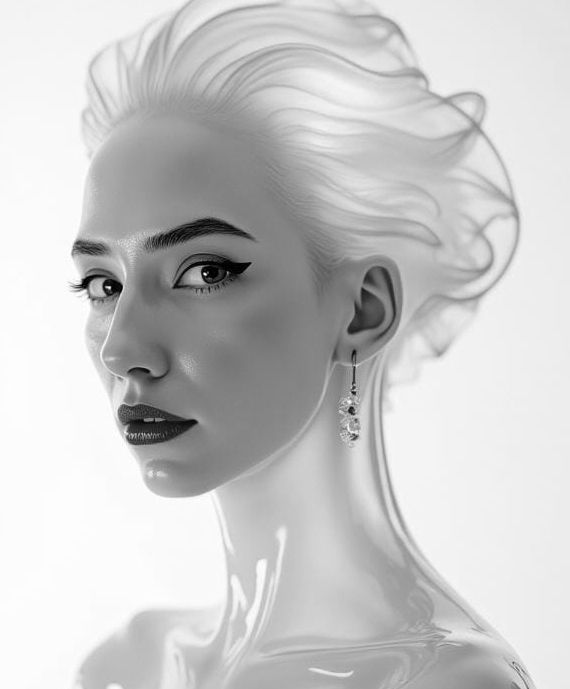
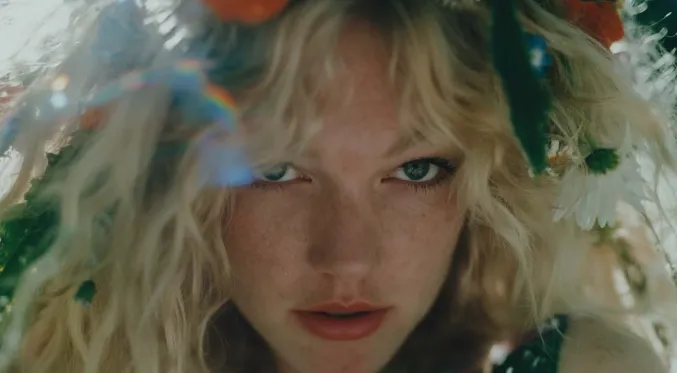
Yamin tested the new version with the same concepts and characters she had previously worked with - an approach that enables a fair comparison. Her findings are specific and practical: faces hold emotion longer without averaging out. Imperfection sticks instead of being smoothed away by the model. Age appears with genuine texture - skin that looks like skin, not a polished painting. And in a change that was technically very challenging - text inside images finally works: signs, notes, and phrases inside the frame actually hold up.
Limitations That Remain
Yamin doesn't spare criticism: the version still requires very explicit guidance on gender ("a woman, female, 45-year-old woman, real human female") and struggles with multiple simultaneous characters. These are not small bugs - they are meaningful limitations for professional creative work that requires precise control over the output.
The Takeaway for Creative Professionals
For Yamin, MidJourney v8 marks a moment when a creative AI tool begins to understand aesthetic nuances that were until now exclusively human - expression, age, imperfection. Those accustomed to receiving "polished" and smoothed-out results from earlier tools will find this version genuinely surprising.
Still, Yamin emphasizes that professional expertise remains essential: it's not enough to open the tool - you need to know what to ask of it, and to recognize when the result is actually good.