Ben Rotenberg works with over 80 organizations as a Gen AI implementation consultant, including large industrial companies such as Teva and IDE Technologies. He regularly speaks about the challenges of bringing AI into traditional enterprises: conservative workforces, legacy systems with no API access, and strict data security requirements. A recent personal experiment gave him an unexpected illustration of the principle he teaches.
The Problem Every Digital Marketer Recognizes
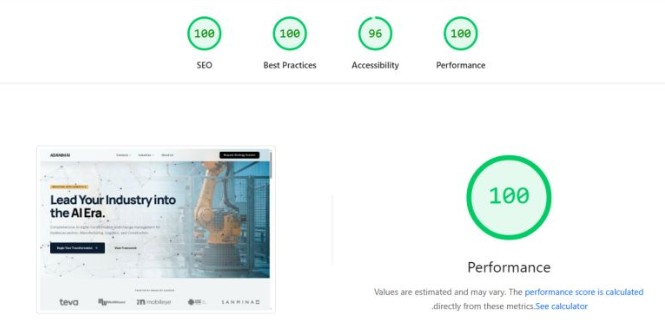
Google PageSpeed Insights is familiar to anyone who has managed a website. Less familiar is the helplessness that usually follows. When marketers bring low scores to developers, the standard responses are either "this cannot be changed" or "these scores are acceptable." Two websites Rotenberg recently reviewed, properties he had managed over the past few years, scored 27 and 52.
What Happened When He Used Claude Code
Rotenberg describes his own development skills as questionable. Despite that, he used Claude Code to address the PageSpeed issues on those same sites. The results, in his words, were embarrassing. More specifically, they were embarrassing for every web developer he had ever worked with on those properties.
This is not an academic experiment. It happened with a tool that is available to anyone.
What This Reveals About Technical Barriers
This example illustrates a shift that Rotenberg regularly explains in his workshops: technical barriers once considered the exclusive domain of software engineers are becoming accessible to people with marketing, management, or business backgrounds. Claude Code is not a tool for developers only. It is an interface that enables direct conversation with code, lowering a threshold that had seemed fixed for years.
The Connection to AI Implementation in Traditional Organizations
Rotenberg frequently addresses the difficulty of implementing Gen AI in industrial companies: outdated systems, conservative culture, and regulatory constraints. This example works from the opposite direction and reinforces his central argument.
When the right tool is genuinely accessible and actually used, people without development backgrounds deliver measurable results. Successful AI implementation does not require an impressive R&D team. Sometimes it begins with a conversational interface that lets business professionals resolve problems that have been waiting too long for a solution.