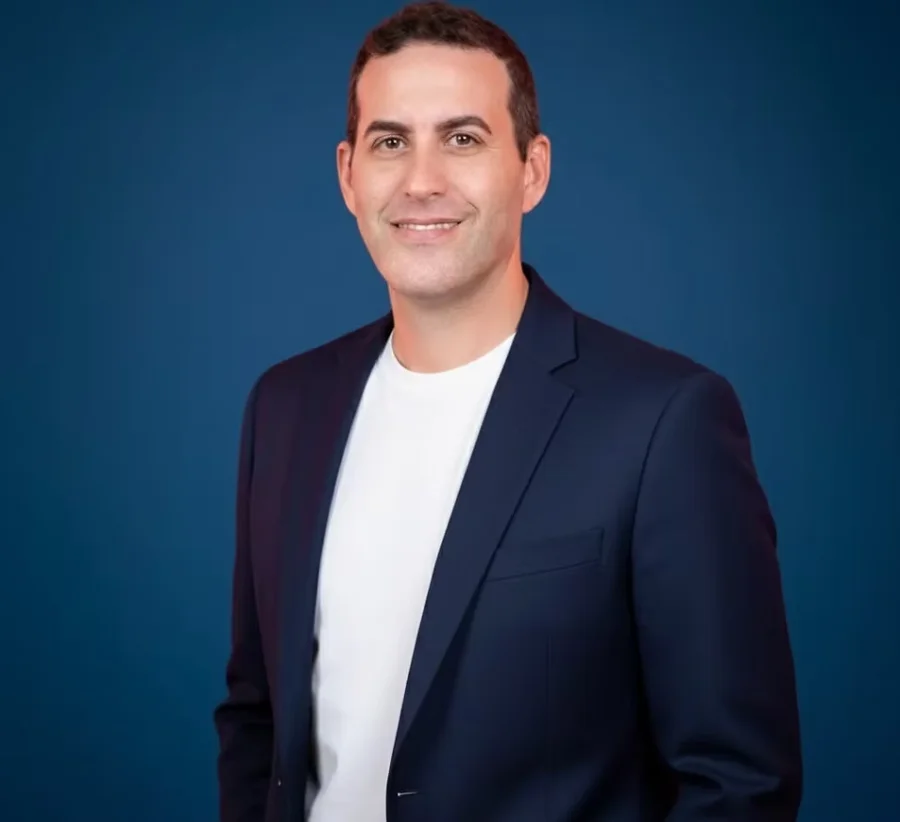
Amir Shneider, CMO at SkyWatch and VOOM Insurance and a one-person AI-powered marketing team, shared an analysis of one of the most significant events to hit the AI industry recently: Anthropic's decision to block global access to Claude 4 in response to a US government order demanding that non-US citizens be denied access to the model.
What Happened: An Order That Could Not Be Partially Enforced
Anthropic received a directive to stop providing Claude 4 access to anyone who is not a US citizen. Not to tourists, not to permanent residents, and not even to Anthropic's own employees who do not hold US passports. Since the company could not reliably filter by citizenship, the least damaging option available was to block access for everyone.
Two Possible Explanations, Both Troubling
Shneider presents two interpretations. The first is political: the US administration is retaliating against Anthropic for declining to cooperate with the Department of Defense on projects involving citizen surveillance and autonomous battlefield weapons. If this is correct, it means a private technology company that refuses to comply with government pressure can find itself effectively shut out of international markets.
The second is a security concern: the administration provided Anthropic with evidence that the model could assist with cyberattacks. If true, Anthropic was actually right to brand itself as a company developing potentially dangerous technology — and some form of slowdown is justified. But the slowdown that occurred bears no resemblance to what CEO Dario Amodei described: it was not coordinated, not supervised, and not agreed upon with the rest of the world.
The Question Everyone Will Have to Answer: Who Controls AI
Shneider highlights the central paradox. The United States, which presents itself as the defender of free markets, is taking actions that would be described very differently if they were happening in countries with different reputations. Meanwhile, unilateral restrictions on US-origin models benefit China, which is investing in AI at a pace that shows no sign of slowing.
What This Means for Companies Outside the United States
The episode raises a real strategic question for any company building products or processes on top of American AI models: how reliable is continued access? When access to core technology depends on political decisions that can shift overnight, diversifying vendors and seeking alternatives is not a preference — it is a business necessity.