
What a Founder House Is and Why It Became an Industry
The idea is simple. A group of founders rent one place together and live there while they build. Same kitchen, same table, same wifi. Yuval Passov, whose work is finding founders at day zero, points out that the format is no longer an experiment but infrastructure.
The San Francisco numbers make the point. The Residency runs five mansions in the city, with 10 to 25 founders in each and a waitlist of more than a hundred people. HF0 uses a 13-bedroom house on Alamo Square. AGI House runs two locations and its own fund.
That last detail is the commercially interesting one. When an entity deploying capital also operates the residence, shared living has stopped being a housing solution and become a deal flow channel.
The Different Approach in East London
Lift House opened in March in East London, in a single building on the water, with only six founders. A stay runs from one month up to six.
The routine there is defined in advance and looks nothing like the prevailing image of startup life. Sundays are given to a journaling session. Food, exercise and time outside are tracked. Tuesdays are volleyball in a local league, and evenings involve piano, board games and a shared dinner.
Luke, one of the residents, sums it up in a single line: he now makes sure to have lunch. That is something he did not do before he moved in.
What Gets Measured at the Door, and Why It Matters
The sharpest difference between the two models is not lifestyle but the entry threshold. The earlier London Founder House, which ran until 2025, required $500k raised. Lift House asks for a hobby and some fitness.
An entry criterion is always a statement about what an organization believes produces success. One says capital already raised is the strongest signal of potential. The other says a balanced person is the strongest signal. Both assumptions are testable, and neither is self-evident.
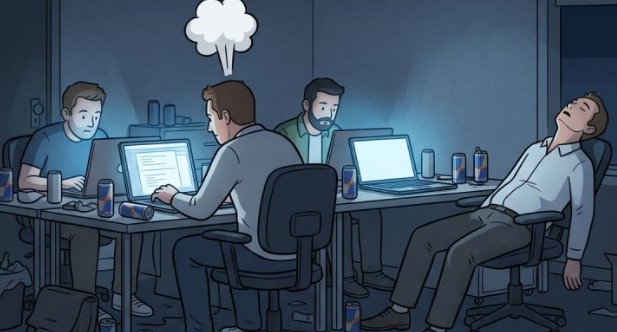
Passov does not declare a winner. He notes that some founders need people around them at 2am, arguing about the same problem all night, with a bit of healthy competition next door.
What This Says About Workplace Culture
Underneath both models sits a very old arrangement: sleep, food, and people building next to you. The technology changed, the basic conditions for human output did not.
Passov expects many more of these houses, most of them landing somewhere between the two approaches. For larger organizations this is more than a curiosity. The same question returns when designing an office, setting hybrid work policy, or building a retention plan for teams under sustained pressure.