
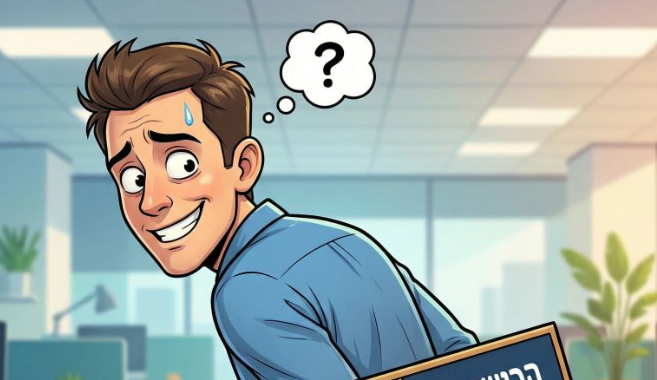
Ben Rotenberg earns his living training thousands of employees in AI, which is precisely why it is worth listening when he says AI is not the most important skill for the future. In a widely discussed post, he introduces a concept worth internalizing: "cognitive debt," and explains why the invisible skills are what will determine who survives in tomorrow's job market.
Why AI Skills Will Not Be the Differentiator
Rotenberg argues that sooner or later everyone will have access to the same tools. Those who fail to acquire basic AI skills will simply exit the job market, but that will be a small minority. When everyone uses the same tools, the differentiator will not be the technology but the mind operating it. Technology will be the entry condition, not the competitive advantage.
The Invisible Skills That Are Becoming Scarce
Rotenberg identifies three categories of skills that AI is quietly eroding without most people noticing. The first is the ability to think clearly and make quality decisions. The second is the professional taste to recognize what a good output actually looks like, knowledge that cannot be acquired without accumulated experience. The third is deep understanding of organizational and professional complexity, soft knowledge that no one has yet found a way to feed into a model.
What Is Cognitive Debt and Why Is It Dangerous
When you delegate every writing, thinking, and decision process to AI, you lose more than time: you lose capability. Rotenberg argues that people who let AI think for them accumulate an enormous cognitive debt that surfaces when they face a genuinely complex problem with no ready-made answer. The debt is not felt in the short term, which is exactly what makes it dangerous.
Already today, Rotenberg notes, it is easy to spot the people whose ideas all come from a mediocre prompt. This is not invisible to experienced managers and senior colleagues.
No "Great Replacement": A Rebalancing
Rotenberg rejects the "AI will replace workers" narrative and offers a different frame: rebalancing. The shift underway is forcing people to rediscover the value of independent thinking, critical judgment, and deep knowledge, precisely the things that cannot be generated at the press of a button. Those who already hold these capabilities will find they are worth more than they realized.