
What Happened: A Senior Researcher Resigned and Said It on Camera
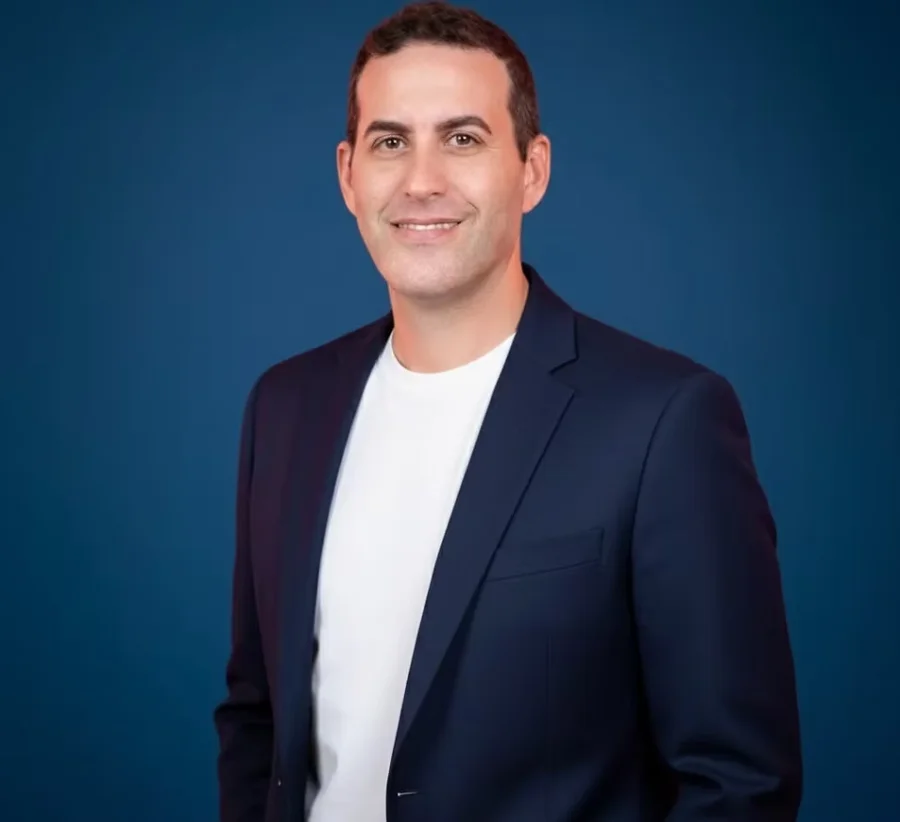
Amir Shneider opened his post with a number: one hundred million people read Jacob Cookson's post on X. Cookson, 27, spent three years on model training at OpenAI and Anthropic. He resigned and wrote that none of the companies is behaving responsibly, that they are racing toward self-improving superintelligence and gambling with all of our lives.
Amir's point is that a post and an interview are two different things. A day later, Cookson sat across from an NBC interviewer and repeated everything, in his own voice, face uncovered. That is what turned the story from online noise into an event leaders need to reckon with.
What Was Said in the Interview That Is Hard to Forget
According to the post, Cookson said the people building AI truly believe it could kill everyone by the end of the decade, and that this is not marketing spin. A senior researcher still employed at one of the labs publicly estimated the odds at more than ten percent, and internal conversations refer to "the endgame."
He described engineers seriously debating whether next year's model could create a new virus or breach critical infrastructure. Recursive self-improvement, models making themselves smarter, could arrive within a year, and some say within six months.
Why the Problem Is Structural, Not One Company's Fault
The detail Amir Shneider flags as most interesting: Cookson does not think Anthropic is the villain. The problem is structural. Every company is trapped in the race, afraid of competitors, afraid of China, and none can slow down alone.
This matters for leaders because it moves the debate away from "good company versus bad company" and toward incentives. When everyone is running, whoever stops first loses, so only an external force can change the pace.
Amir Shneider's Two Takeaways for Leaders
First takeaway: the problem is structural and the race will not slow on its own. Second: the people closest to the technology are the most afraid of it, and that is a data point to take seriously rather than dismiss as panic.
Still, Amir stresses, this is not a reason to stop using the tools. It is a reason to demand oversight. Organizations can keep extracting value from AI while supporting regulation, building internal controls and staying current with what insiders are saying. He closed with a question to his audience: a race no one can stop alone, exciting or frightening?