
What Spotify Actually Announced
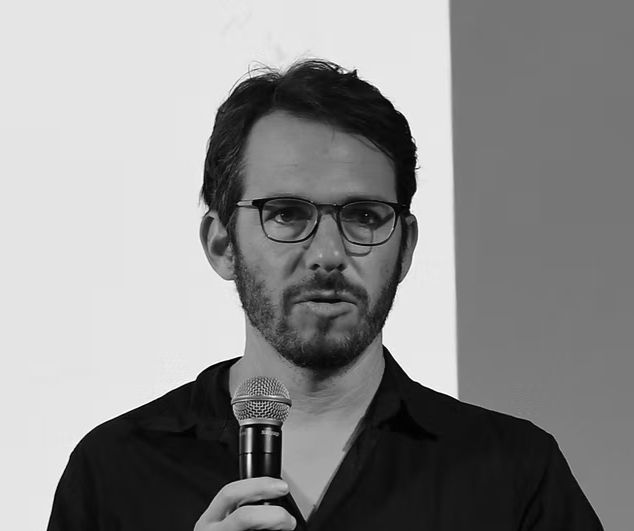
Spotify is beginning to label artist profiles created by artificial intelligence with an AI persona tag. Omri Marcus, a lecturer on artificial intelligence and a screenwriter, appeared on Israel's public broadcaster KAN to explain what sits behind the decision.
This is a small interface change, a line of text beside an artist name. In practice it is a position statement from one of the world's largest platforms on who deserves to know where content came from.
Why Labeling Rather Than Removal
Spotify did not choose to pull AI-generated content from its catalog. Choosing to label instead transfers judgment to the listener and keeps the platform positioned as an intermediary rather than an arbiter of taste.
The same logic recurs in platform decisions over the past two years. The problem as stated is not the use of AI but the concealment of it, so the remedy is disclosure rather than a ban.
The Real Question This Opens
The interesting question is not whether an AI-generated track can be identified. It is whether the listener changes behavior once they know. There is a wide gap between a stated preference and a preference revealed in streaming data.
If labeling turns out to barely affect play rates, that would be a sobering data point on the relationship between originality and attention. If it does affect them, human artists gain a clear incentive to treat human origin as an asset.
What This Means for Organizations Producing Content
What happens in music usually arrives later in marketing, advertising and corporate communications. Once content origin labeling becomes a norm in one market, its absence in another becomes hard to explain.
Any organization producing content at scale with AI should start shaping its own disclosure policy before one is imposed from outside. Transparency adopted by choice reads very differently from transparency adopted under pressure.