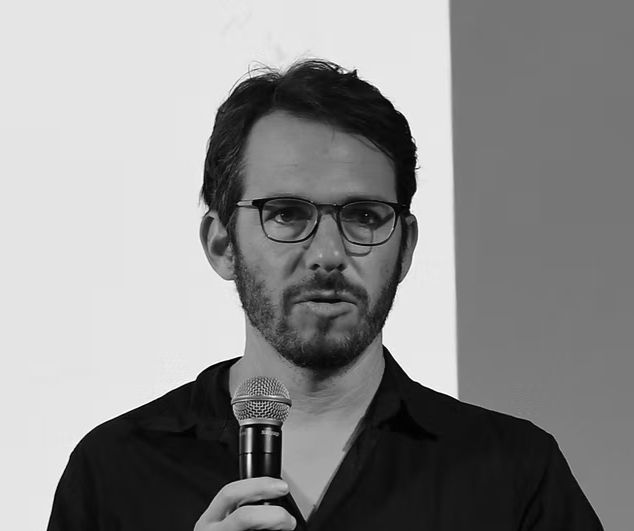
Omri Marcus appeared on Israel's "Kan Tarbut" culture show to discuss a trend he describes as unsettling: the rise of Synthetic Influencers, personas generated by AI. The claim that opened the conversation was deliberately sharp. Authenticity, he argued, is dead, and the concept of "organic" has become an illusion.
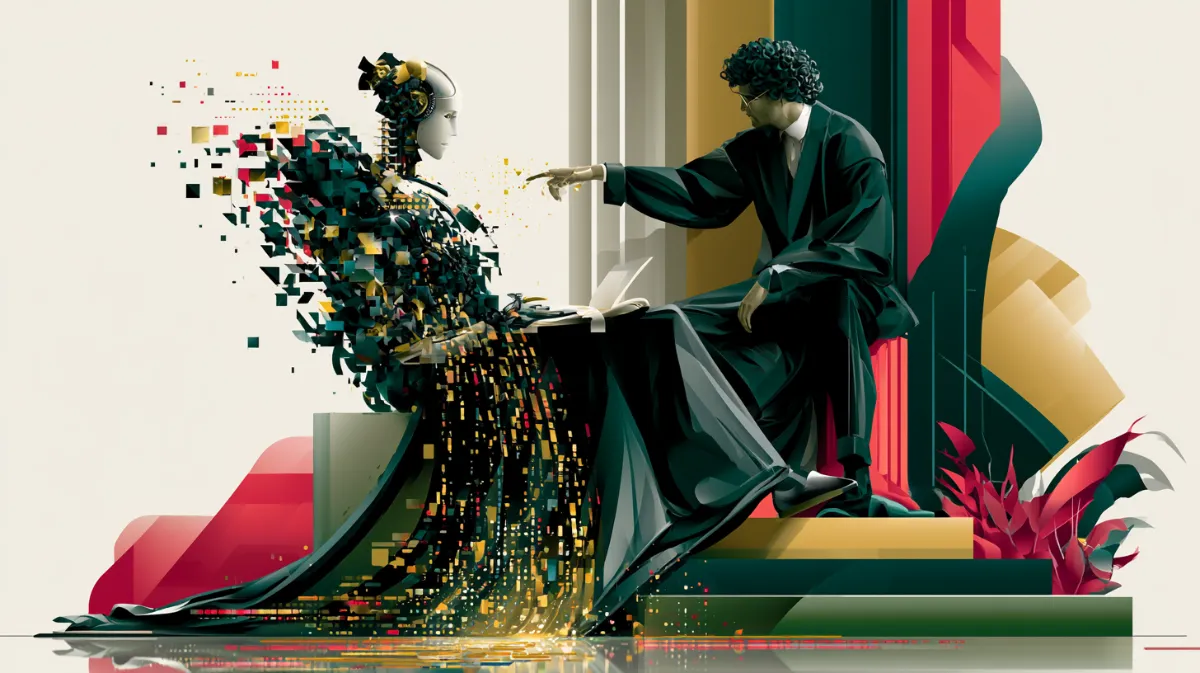
At the heart of the trend is a phenomenon that is simple to grasp and complex in its consequences. Brands are beginning to use artificially created personas to produce recommendations that simulate genuine human connection. There is no real person behind the recommendation, yet the consumer struggles to notice this.
What Are Synthetic Influencers and Why Are They Gaining Ground?
Synthetic Influencers are influencer personas built with AI tools, from their appearance to their voice and speaking style. They can promote a product, recommend a service and build a simulated relationship with an audience, without a single real person behind them.
The reason they are gaining ground is economic and operational. A virtual persona does not tire, does not require ongoing payment and does not create unexpected reputation crises. To a brand this looks like full control over the message, but that control comes at a cost.
Why Does Marcus Say Authenticity Is Dead?
Marcus is not claiming that human influencers are disappearing. His claim is that the distinction between real and produced is losing its sharpness. When content that looks spontaneous is planned and timed by an algorithm, the digital space shifts from a place of human interaction into an engineered simulation machine.
This is why the word "organic" no longer describes what it was meant to describe. Content presented as spontaneous can be the product of precise planning, and so the audience loses the ability to know when it is meeting a person and when it is meeting a system.
What Does This Mean for Businesses Marketing Online?
Every business that uses influencer marketing faces a strategic decision here. It is possible to adopt the new tools and gain efficiency, but the central risk is the moment the audience discovers it was misled. Sophisticated consumers react strongly to a sense of manipulation, and that reaction damages the brand far beyond the short-term benefit.
The approach Marcus suggests is not to avoid AI but to use it with transparency. Clear labeling of AI-generated content preserves consumer trust and turns the technology into a legitimate working tool rather than a reputational trap.