Why AI Should Not Be Guessing the Shot
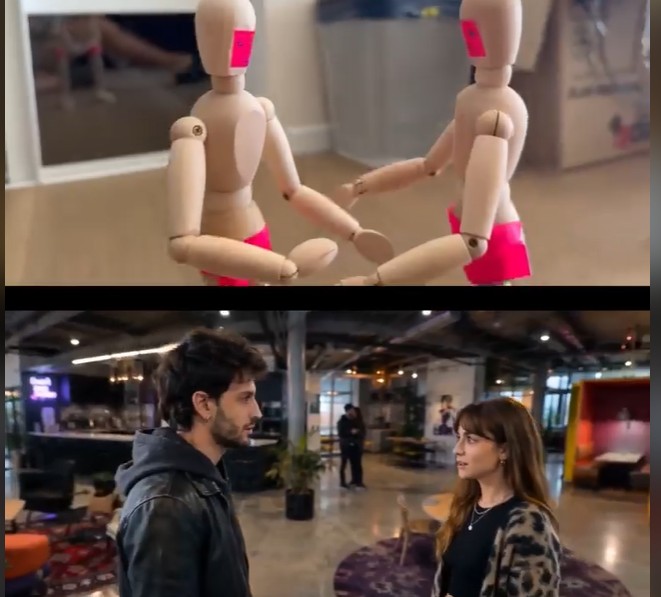
Ilan Bouni published a short control test built around one key line: stop asking AI to guess the shot. Instead, give it staging, camera logic, rhythm and intention, and then direct it.
The distinction sounds technical but it is foundational. Most people working with generative video tools describe what they want to see and hope for the best. The result looks impressive the first time and cannot be reproduced the second.
What Directing AI Actually Looks Like
Bouni's test has two layers: physical blocking on top, AI translation underneath. In other words, the human decision about position, movement and timing precedes the render, and the model executes it rather than inventing it.
That is precisely the difference between operating a tool and directing. The tool does not change. What changes is the relationship to it.
Why This Matters for Brands and Content Producers
An organization that approaches a generative tool with a vague brief will get video that looks like everyone else's. Same algorithm, same defaults, same aesthetic. A brand that arrives with a defined visual language, rhythm and intention gets output that stays inside its own identity.
In a market where anyone can produce video in minutes, competitive advantage shifts from the ability to generate to the ability to direct. That is a management skill as much as a creative one.
The Tools Do Not Replace Cinematic Language, They Require It
Bouni comes from a VFX supervision background, and that is exactly where his insistence on control originates. As generative models improve, cinematic knowledge does not become redundant. It becomes the variable separating professional work from noise.
The tool executes. The director decides. That division is worth remembering in every AI driven video project.