What Never Reaches the Final Cut Is What Holds the Film Together
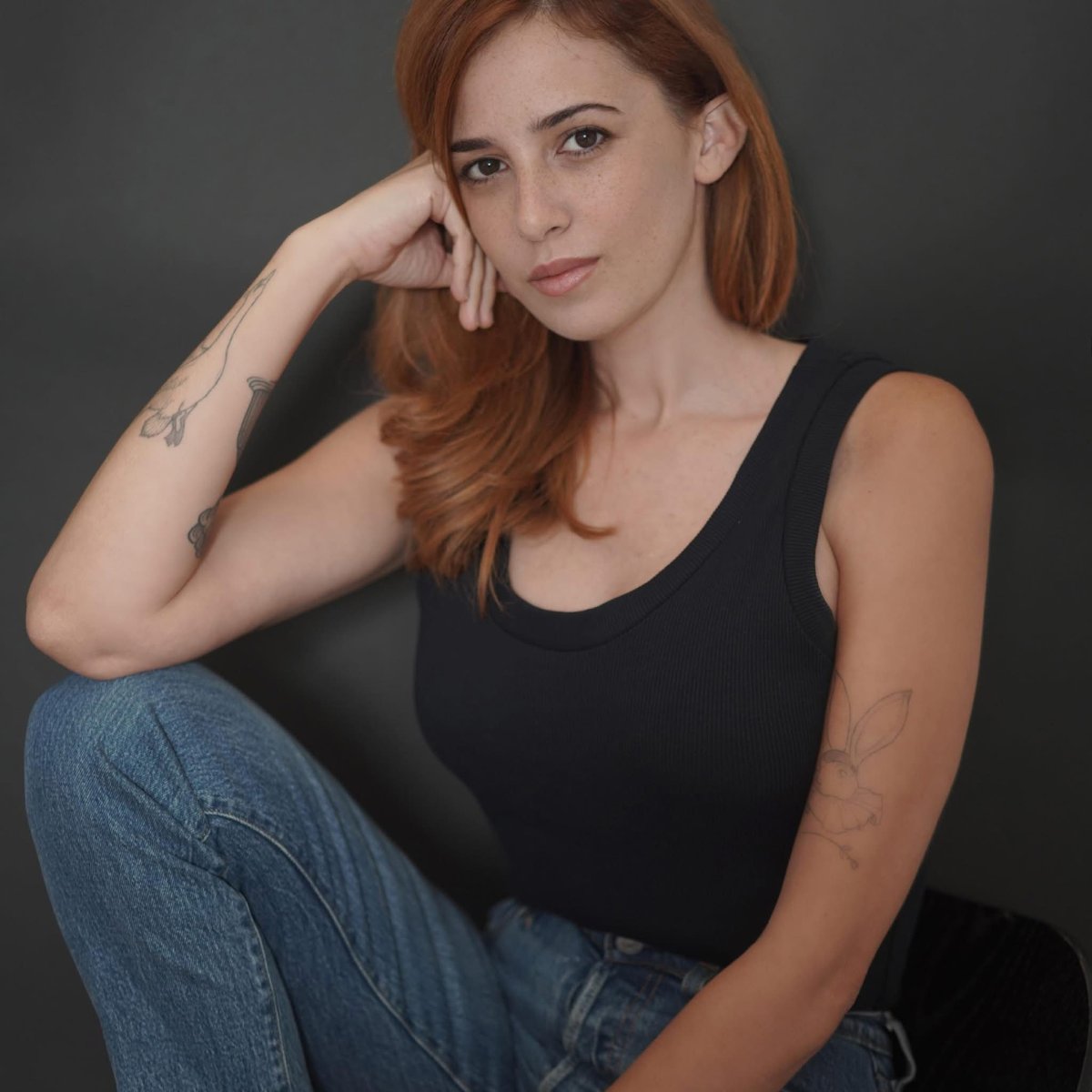
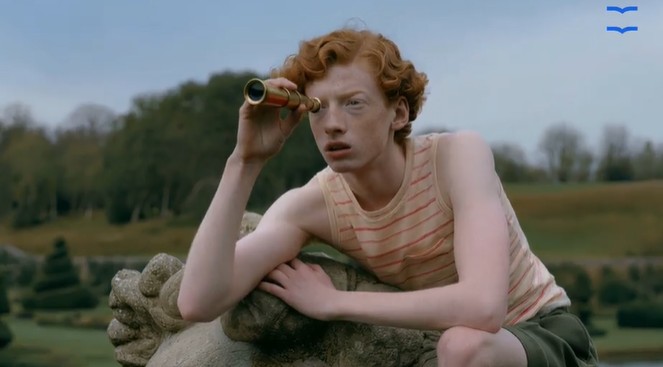
Ella Uzan released her latest film for the National Library, and chose to open with the material that never appears on screen. Before a single shot was produced, she built a full photographic character sheet for each character.
That choice is operational rather than aesthetic. In generative video production, the stage that determines output quality is the definition preceding production, not the corrections that follow it.
What Goes Into a Character Sheet
The sheets Uzan built included front, side and back views, alongside a range of facial expressions and wardrobe details. Each character received its own sheet, created in Meta AI.
These elements are not arbitrary. They are precisely the information a generative model needs in order to avoid reinventing the character every time it appears from a new angle or in a different situation.
Why Consistency Is the Real Problem in AI Video
Uzan describes the character sheets as visual anchors that preserved each character's identity and appearance across the different shots. This is the problem that derails most generative video projects.
A model produces every shot from scratch. Without a fixed reference, a textual description of the same character is interpreted differently on each run, and the result looks like a collection of clips rather than one film.
What This Means for Organizations Producing Video
The film was created using Dreamina Seedance, Runway and Dreamina AI. When working across several tools, the need for an agreed visual language becomes even more critical.
The practical implication is straightforward. Any organization planning a video series with a recurring persona should invest its first hours in building visual references, not in running attempts that will have to be repeated.