Who Is Didi Azaria and Why His Method Matters
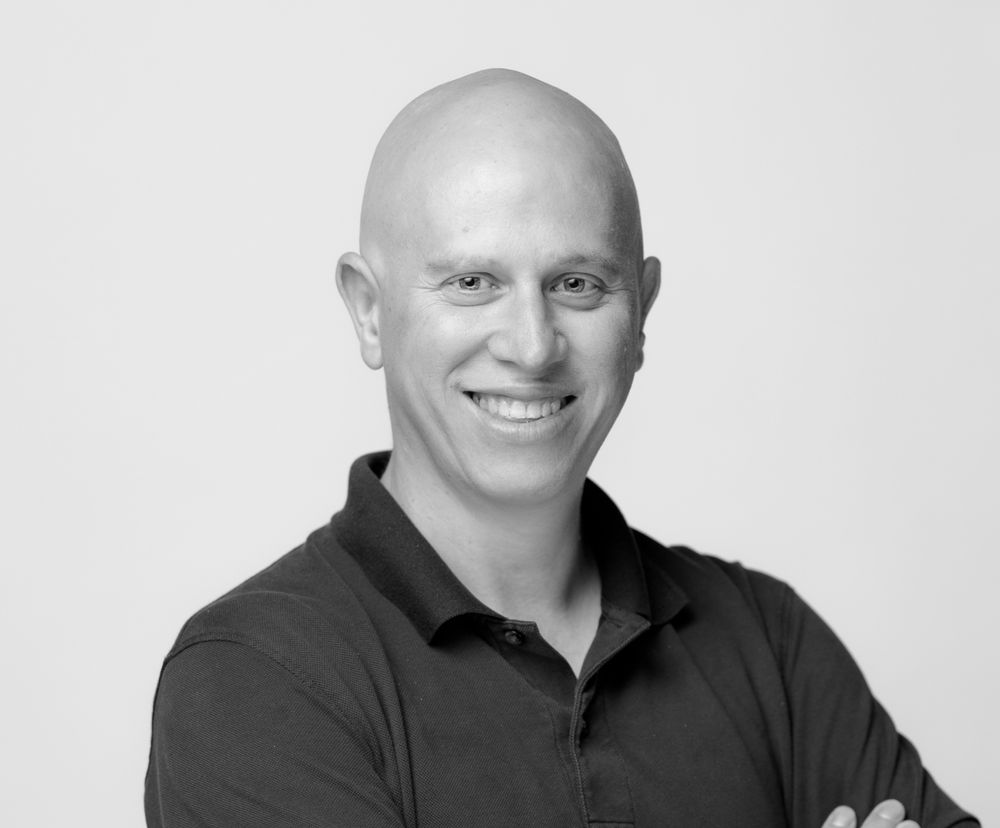
Didi Azaria co-founded Sisense, one of Israel's analytics success stories, at just 22. Today he is CEO of Workiz, the company behind the field service software that American plumbing businesses run on.
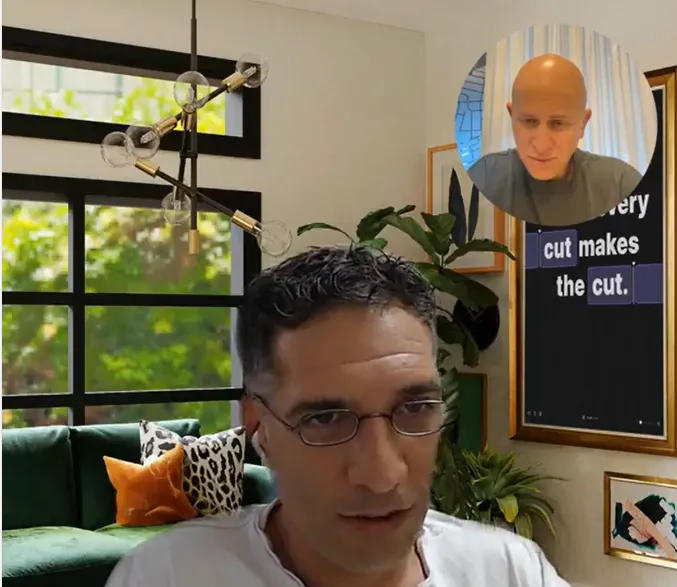
Yuval Passov hosted him on episode four of his podcast, and the conversation revealed an unusual operating model: Azaria runs 24 AI agents around the clock, not as an experiment but as part of the company's daily management routine.
How to Manage 24 AI Agents Like 24 Employees
The core principle is simple: each agent gets one specific job, exactly the way a new employee receives a defined scope of responsibility. There is no single agent that does everything, there are 24 narrow specialists.
The most important agent on the team is the command manager. Its job is to audit all the other agents once a day, verify they are performing, and send Azaria one consolidated report.
This solves one of the biggest problems of working with agents: oversight overload. Instead of monitoring 24 systems, the CEO reads a single daily report and gets the full picture.
When to Deliberately Switch AI Off
The surprising part of the conversation is Azaria's decision to stop using AI in certain places, on purpose. Workiz customers are American plumbers, and they simply do not like talking to a machine.
The data backed up the instinct: on phone calls, human reps convert better. So on that channel the AI stays off and people do the work.
Azaria frames it as a clean ROI question. The test is never whether the technology is impressive, but whether it improves the bottom line. When the answer is no, it goes, without sentiment.
What Your Business Can Take From This
Passov's conversation with Azaria shows that managing AI agents is, first and foremost, management. Long-standing principles such as clear role definitions, a reporting chain, and daily oversight apply even when the employees are software.
The second lesson matters just as much: smart AI adoption includes knowing when to walk away from it. The benchmark is always the customer and the numbers, never the trend.
In the full episode, Azaria also shares the one task he believes every business should automate, and an unexpected lesson about saying no that he learned from his mother-in-law.