What Daily AI Dependence Looks Like
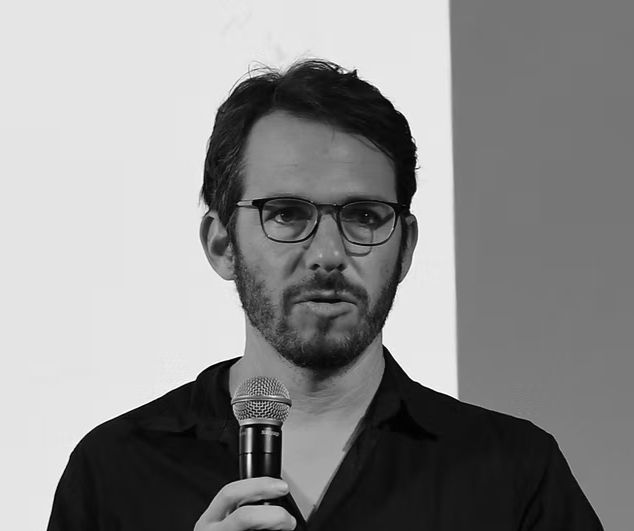
In a new post, Omri Marcus describes himself as someone who no longer performs simple daily tasks without consulting a language model. He recounts filming himself knocking on three different watermelons to get a recommendation on which to buy, and admits he will not flip a schnitzel before sending a photo for a verdict.
The examples sound amusing, but they point to something precise. Dependence is not built through one large technology adoption decision. It accumulates through dozens of small questions we once answered on our own.
Why a Year Long AI Experiment Does Not Tell the Whole Story
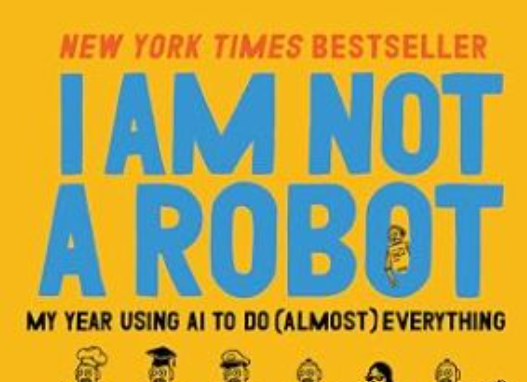
Marcus wrote a review of an experiment by Wall Street Journal reporter Joanna Stern, who spent a full year living entirely through AI. The experiment included synthetic music, a robotic dog and even flirting with a virtual partner.
He calls the stunt brilliant, but notes that the execution does not always capture the big picture. He is pointing toward the wider and deeper effects of this revolution, the ones that surface not in a single spectacular year but in a gradual shift in habits of thought.
This is a useful distinction for anyone reading AI coverage today. A story with a strong visual hook gets attention, but the meaningful question is what remains once the cameras are off.
What Organizations Can Learn From This
The logic Marcus presents applies directly to organizations deploying AI. Measuring success by the number of tools rolled out or the percentage of employees enrolled misses what is actually happening at the desk.
The more important question is at which moments people stop exercising independent judgment and accept the answer as given. That is where the real effect on work quality sits, for better and for worse.
Why Writing by Hand Became a Statement
At the end of the post, Marcus states explicitly that the critique was written the old fashioned way, with zero AI involvement. That statement would not have been necessary three years ago.
The fact that it is necessary now signals a shift in reader expectations. In a market flooded with rapidly generated content, declaring a human process has become a professional mark in its own right.